
4 Business Lessons I’ve Learned from Moving

I don’t move much…I like to stay in one home for a while, put down roots, live my life. First 17 years were in my first home in the Virgin Islands, 4 years in the dorms at San Francisco State (go Gators), small stint on Ocean Beach in San Francisco (ohhh how I miss watching the surfers get dressed at 5am out my window…), 4 years years with my ex in the first house I bought, 9 years in a cute 1920’s bungalow in Oakland and 14 years in my current suburbian house in Snoqualmie, Washington. I’ve raised my sons here; I’ve lived a beautiful life in this home. But it’s time to move on to a new chapter in life.

My son Sam found our dream home (he’s kinda nerdy like that with real estate alerts on his phone to pounce on the perfect dream home that meets all our criteria). It’s on Lake Alice in Fall City, Washington. It’s literally behind our current home as the crow flies.

lake alice fall city WA


WAY different lifestyle. Did I tell you it’s a log cabin? I can’t wait to show you in my next video blog!

log cabin in Lake Alice, Falls City WA


But in the meantime, check out some of the lessons I learned while packing, cleaning, fixing up and listing our 14 year old home to prepare to go on the market. Feel free to share your lessons from your moving experiences.


And if you’re in the market for a great home or know a family who is), check the listing out.
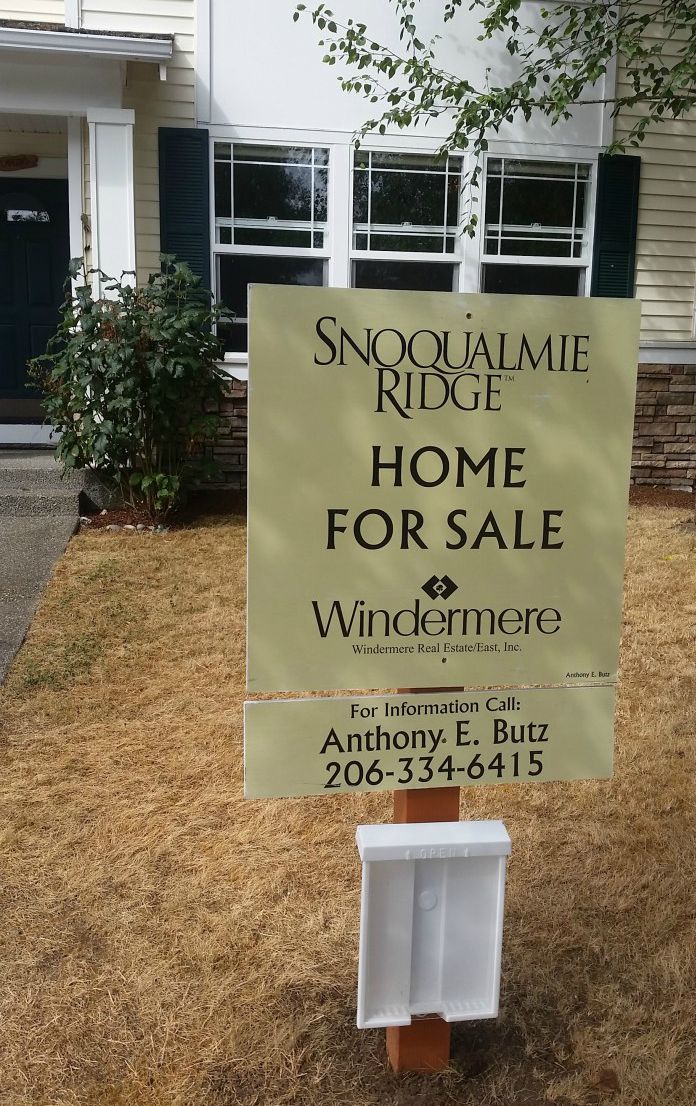
home for sale

Addressing the Most Frequent Review Objections

Q: But I do have the most reviews overall! Why should I work to get 2 reviews a week when I have 300 more than my next closest competitor?

A: Because those 300 extra reviews likely happened over 5 years. Google doesn’t care. Google cares about which business is actively engaging now. Think of it this way: In a town with two bakeries, would you trust the one that was popular in 2018 or the one that has fresh 4.8-star reviews from yesterday?

Q: How can I automation reviews without looking “spammy” or robotic?

A: The key is timing and personalization. An email sent 4 days later is spam. An email triggered 24 hours later by their POS interaction, referencing their specific visit, and saying, “We love seeing you!” feels like a personalized follow-up. Keep your request language human and humble: “We’re a local business that thrives on honest feedback…” rather than “GIVE US 5 STARS!”

Q: Will getting a 4.1-star review on my 90-day rolling average hurt me more than helpful old 5-star reviews?

A: This is nuanced. A single, recent 4.1 review won’t “tank” you, as your overall (though less-weighted) average is still high. However, if your last 10 reviews in the 90-day window average to a 3.5, you will almost certainly drop in rankings, as Google sees you as a business that is currently underperforming, despite past success. This is why automation that triggers happy customers is critical.

Q: Is it true that Google filters “glowing” 5-star reviews as fake more than “authentic” average reviews?

A: No, that’s a myth. However, Google (and users) do look at patterns. Fifty identical, one-word “GREAT!” reviews left in two days will get flagged. A steady stream of slightly detailed (e.g., mentioning a specific employee or dish), varied (e.g., some detailed 4-star, some simple 5-star) reviews left consistently over weeks is the goal. Authenticity (a mix of opinions) does increase user trust, which improves conversion rate, but Google won’t penalize a legitimate string of recent 5-star acclaim.

Q: If the 90-day window is so critical, what happens if I go on vacation and get 0 reviews for two weeks?

A: This will absolutely create a “dip” in your ranking signals. While you won’t drop from #1 to #20 overnight, your competitors who continued to receive consistent feedback during those two weeks will gain algorithmic ground. This is the ultimate argument for automation. Your automation triggers reviews while you sleep, making your presence constant.

Q: My customers are mostly older/not tech-savvy. How can I possibly automate this or get them to leave a digital review?

A: This is a real challenge, but not insurmountable. Automation can adapt. Instead of automated SMS, use simplified technology: A physical table tablet at checkout that asks for email/phone, or a single-click “feedback” kiosk that opens a form (though this must be used carefully so it’s not a “captive review”). The most effective way is to pair automation (like the email) with a human script: Have staff hand them an appointment card with a QR code and say: “We love serving you! If you get an email from us tomorrow asking for feedback, we would truly value your perspective.”

Conclusion

The old playbook of gathering as many reviews as possible is dead. In 2026, dominance on Google Maps belongs to the businesses that have integrated review generation into their operational DNA.

Success in local SEO now requires prioritizing Review Velocity over total quantity. It demands recognizing the overwhelming influence of the current 90-Day Window. By naturally automating your review acquisition—from post-appointment emails to SMS triggers at point-of-sale—you are ensuring a sustainable, steady stream of feedback that proves to Google and customers alike that your business is vibrant, reliable, and relevant today.

Stop focusing on the count. Start focusing on the flow.

Want us to help you grow your reviews consistently? Let’s Chat!

Join over 5,000 Marketing Minute subscribers who receive weekly videos and tips on how to step up your marketing game

  • This field is for validation purposes and should be left unchanged.

We’ll never share your information – Pia Larson
SEO graphic 3

Get a FREE Google and AI Search Visibility Audit To See What You Need To Fix To RANK #1 on Google

AI-powered, only takes 60 seconds to get.

Audit your GBP settings and actions to get an optimization score.

Get a heatmap audit of how well you are currently ranking locally for top keywords.

Get a personalized action plan to improve your GBP and rankings for free.